

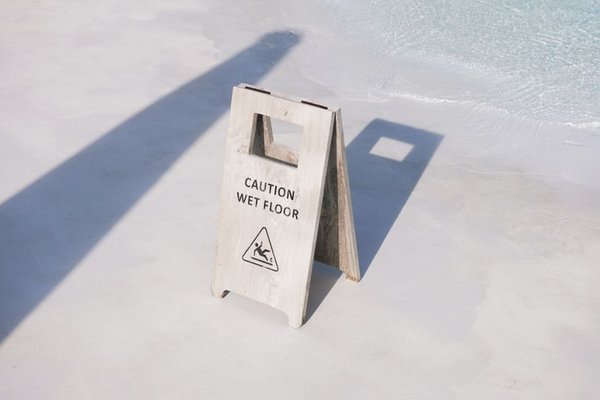
A swimming pool accident can turn a family gathering, hotel stay, or afternoon at a neighbor’s home into a life-changing emergency. Unlike an ordinary slip-and-fall case, a pool incident may involve drowning, oxygen-deprivation injury, diving trauma, drain entrapment, chemical exposure, or a fall on a wet deck. Determining swimming pool accident liability requires asking who controlled the pool, which safety duties applied, whether a preventable hazard existed, and whose conduct contributed to the injury.
How Swimming Pool Accident Liability Is Determined
Most pool injury claims are evaluated under premises liability and negligence principles. A person or business responsible for property generally must take reasonable steps to protect lawful visitors from hazards it knows about, or should discover through reasonable inspection. The exact duty varies by state, the visitor’s reason for being there, and whether the pool was residential, commercial, public, or part of a rental property.
A claimant usually must show that the defendant owed a duty of care, breached that duty, and caused an injury resulting in measurable losses. Evidence must connect the accident to unsafe maintenance, inadequate supervision, code violations, missing barriers, defective equipment, or another unreasonable condition.
Who May Be Responsible?
Homeowners and Residential Pool Owners
A homeowner may be liable when an unsafe condition injures a guest or reasonable precautions were not taken to stop children from gaining unsupervised access. Examples of pool owner negligence include a broken gate latch, missing fence, unsecured ladder, poor lighting, a concealed drop-off, damaged diving equipment, or failure to warn guests about a known danger. Supervision also matters, especially when children are swimming.
Commercial and Rental Properties
Hotels, apartment complexes, gyms, and water parks may be expected to inspect the pool, maintain clear water, repair drains and ladders, enforce safety rules, provide required equipment, and employ qualified lifeguards where required. At a rental property, responsibility may rest with an owner, manager, maintenance contractor, or several parties, depending on who controlled the pool and handled repairs.
Contractors and Manufacturers
A contractor may be liable for negligent installation or repair. A manufacturer could face a product claim involving a defective drain cover, pump, ladder, alarm, or diving board. Preserving the equipment after an incident matters because alteration or disposal can destroy important evidence.
Children and the Attractive Nuisance Doctrine
Children receive special consideration in some premises liability cases because they may not fully appreciate the danger of water. The attractive nuisance doctrine can require reasonable precautions when a dangerous condition is likely to attract children who are too young to understand the risk. The rule differs by state, and some courts require circumstances beyond the obvious danger of ordinary water.
An attractive nuisance pool claim may examine whether the owner knew children were likely to enter, whether the condition created an unreasonable risk of severe harm, and whether practical safeguards could have reduced that risk. Four-sided fencing, self-closing gates, alarms, safety covers, and secured portable-pool ladders may become important evidence. A local barrier violation can be significant without deciding the entire case.
Common Forms of Pool Owner Negligence
Pool accidents arise from many hazards, not only a lack of swimming ability. Common allegations include inadequate barriers, unattended access points, missing depth markers, slippery surfaces, cloudy water that hides a submerged swimmer, unsafe diving areas, faulty electrical systems, mishandled chemicals, and drains that create entrapment risks.
Supervision is another major issue. Drowning can happen quickly and without dramatic splashing. When a facility advertises lifeguard protection, staffing, scanning practices, training, and emergency response may determine whether supervision was reasonable.
What Happens in a Pool Drowning Lawsuit?
A pool drowning lawsuit may follow a fatal incident or a nonfatal drowning that causes neurological injury, lung complications, disability, or lasting emotional harm. In a fatal case, eligible family members or the estate may pursue wrongful death or related claims under state law. Possible damages include medical expenses, funeral costs, lost financial support, pain and suffering where allowed, and other recognized losses.
Investigators may review surveillance footage, gate hardware, maintenance logs, water clarity, staffing records, prior complaints, warning signs, and emergency response times. Experts in pool safety, medicine, engineering, lifeguard practices, or building codes may also be needed.
Can the Injured Person Share Responsibility?
Yes. A swimmer may be accused of ignoring posted rules, diving into shallow water, entering a closed pool, using alcohol or drugs, or behaving recklessly. Parents or caregivers may also be accused of inadequate supervision. Depending on the state, shared fault may reduce compensation or sometimes prevent recovery.
A signed waiver does not automatically defeat a claim. Courts may examine its wording, scope, and whether it tries to excuse conduct that cannot legally be waived. Cases involving children, reckless conduct, hidden hazards, or statutory safety duties may be treated differently.
Evidence That Can Support a Claim
Pool conditions can change quickly, so prompt documentation matters. Photos or video of gates, signs, water visibility, deck conditions, equipment, and the overall area can preserve the scene. Witness details, incident reports, medical records, emergency calls, inspection documents, and communications with the owner may also help.
Serious injuries require immediate medical evaluation. Legal deadlines vary, and claims involving a city, school, or other public entity may require formal notice sooner than an ordinary lawsuit.
Frequently Asked Questions
Is a pool owner automatically liable?
No. Ownership alone does not establish liability. A claimant generally must prove a breached duty, causation, and damages, although a safety-code violation or defective equipment may provide strong evidence.
Can someone claim after a nonfatal drowning?
Yes. A survivor may seek compensation for treatment, rehabilitation, lost income, disability, pain, and other legally recognized losses when another party’s negligence caused the incident.
Does attractive nuisance always apply to pools?
No. State law differs. Courts may consider the child’s age, the visibility of the danger, the likelihood of trespassing, unusual hidden hazards, and the precautions taken by the property possessor.
Who may be liable at a vacation rental?
Possible parties include the owner, rental manager, maintenance provider, or equipment manufacturer. Liability depends on control, maintenance duties, knowledge of the hazard, and the cause of the accident.
Understanding Responsibility After a Pool Accident
Swimming pool accident liability is highly fact-specific. The responsible party may be a homeowner, business, landlord, contractor, manufacturer, supervisor, or a combination of parties. A careful investigation must identify who controlled the danger, which safeguards were required, what went wrong, and how that failure caused the injury. Because state laws and filing deadlines differ, anyone dealing with a severe pool injury or drowning should obtain advice based on the location and circumstances of the incident.