

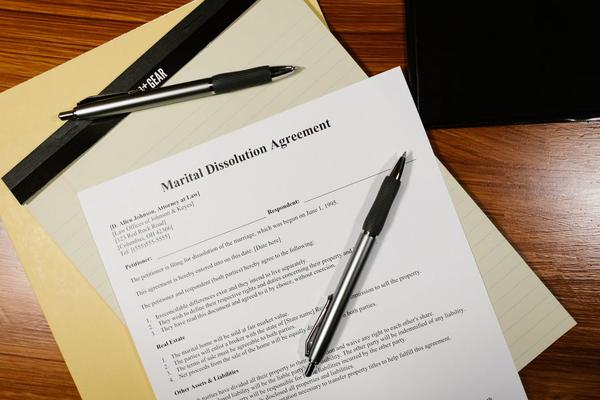
Choosing between an uncontested and contested divorce is less about picking a label and more about asking one practical question: how much do you and your spouse already agree on? If you can settle the major issues, an uncontested divorce may offer a simpler and less expensive route. If important disputes remain, the case may need to proceed as contested so a court can resolve them.
The exact rules, fees, and waiting periods vary by jurisdiction, but the core distinction is simple: uncontested means agreement; contested means one or more unresolved issues.
What Is an Uncontested Divorce?
An uncontested divorce generally means both spouses agree to end the marriage and have resolved the issues that must be addressed before the court can finalize the case. These commonly include property and debt division, spousal support, and, when children are involved, custody, parenting time, and child support.
Agreement does not mean the couple has no conflict. It means they have reached terms they are both prepared to put into a written settlement or otherwise present to the court. A judge may still review the paperwork and approve the judgment.
Because fewer issues require judicial resolution, an uncontested case usually involves less court activity. That can mean a shorter divorce timeline and lower legal expenses, although filing requirements, court backlogs, and mandatory waiting periods can still affect timing.
What Makes a Divorce Contested?
A divorce is contested when the spouses cannot agree on one or more issues the court must decide. The dispute might involve child custody, the family home, division of assets or debts, spousal support, child support, or another legally significant matter. In some jurisdictions, disagreement over the divorce itself or legal grounds can also create a contested case.
Contested does not automatically mean a full trial. Many cases settle after negotiation, mediation, disclosure, or preliminary hearings. If the remaining disputes cannot be resolved, however, a judge may hear evidence and make binding decisions.
A contested case usually requires more procedure. The parties may need to exchange financial records, file motions, attend hearings, obtain expert opinions, take part in discovery, or prepare evidence. Those steps can increase both divorce cost and the time needed.
Uncontested vs. Contested Divorce: The Main Differences
Level of agreement
In an uncontested divorce, the spouses have resolved the essential terms. In a contested divorce, at least one material issue remains disputed. A couple can agree on most matters and still have a contested case if one important question, such as custody or ownership of a business, remains unresolved.
Cost
Uncontested divorces are often cheaper because they generally require less attorney time and fewer court proceedings. There may still be filing fees, document-preparation costs, mediation fees, or attorney charges. A contested divorce can become much more expensive when extensive discovery, expert testimony, multiple hearings, or trial preparation is required.
There is no universal price for either path. Local fees vary, and the complexity of the couple’s finances or parenting arrangements can matter more than the label alone.
Timeline
An uncontested case can move more efficiently because the court is not being asked to decide multiple disputes. Even then, mandatory waiting periods may apply. A contested divorce generally takes longer because unresolved issues must be negotiated or litigated, and scheduling hearings or gathering evidence adds time.
Control over the outcome
Settlement gives spouses more control. They can negotiate terms that fit their finances and parenting needs, subject to legal requirements and court approval. When a judge must decide a contested issue, both spouses give up some control because the result is based on the law and evidence rather than a mutually designed compromise.
How to Tell Whether You May Qualify for an Uncontested Divorce
A useful starting point is to separate emotional conflict from legal disagreement. You may have a difficult relationship and still be able to complete an uncontested divorce if you can reach workable terms on every issue that must be resolved.
Compare your positions on property, debts, support, children, taxes, insurance, and any jointly owned business interests. Make sure both spouses understand the financial picture. Agreement reached without complete information can create serious problems later.
Before filing, review your jurisdiction’s requirements and consider related guidance on divorce paperwork, child custody basics, and how marital property is divided. Those subjects often expose unresolved questions before documents are submitted.
A Real-World Example
Imagine a couple who both want to divorce. They agree to sell the home, split the net proceeds, keep their own retirement accounts, and follow a parenting schedule they have already tested. If their agreement also addresses support and other required issues, they may be able to proceed on an uncontested basis, subject to local rules.
Now change one fact: both spouses want to keep the home, and neither accepts the other’s proposed buyout value. That single dispute may make the case contested until they negotiate a solution or ask the court to decide. If they settle the home issue before trial, the case may still finish by agreement.
When Legal Advice Is Especially Valuable
Even a simple-looking divorce can have lasting financial and parenting consequences. Independent legal advice is particularly useful when there are substantial assets, a business, complicated retirement benefits, tax concerns, domestic violence, unequal access to financial information, suspected hidden assets, immigration consequences, or disagreement about children.
Do not choose an uncontested route simply because it appears faster or cheaper if you do not understand the settlement. A quick agreement can be costly later if it overlooks debt, support rights, property ownership, or workable parenting terms.
Frequently Asked Questions
Is an uncontested divorce always faster?
Usually it involves fewer disputed steps, but it is not guaranteed to be fast. Court backlogs, paperwork problems, service requirements, disclosures, and mandatory waiting periods can still affect the divorce timeline.
Can a contested divorce become uncontested?
Yes. If the spouses resolve all disputed issues through negotiation, mediation, or another settlement process, they may be able to submit agreed terms and avoid having a judge decide those issues at trial.
Do I need a lawyer for an uncontested divorce?
Rules vary by jurisdiction, and some people handle simple uncontested cases without full legal representation. However, legal advice can be valuable before signing a settlement, especially when property, retirement accounts, support, or children are involved.
What if we agree on everything except one issue?
The case may still be contested because the unresolved issue requires a decision. You can continue negotiating that point, use mediation where appropriate, or ask the court to decide it if settlement is not possible.
Choosing the Right Path
The most useful comparison is not simply uncontested divorce versus contested divorce, but agreement versus unresolved legal issues. If you and your spouse can make informed decisions about finances, property, support, and parenting, an uncontested process may reduce cost, delay, and court involvement. If important disagreements remain, a contested process provides a formal way to resolve them.
Before filing, identify every issue your local court requires you to settle, confirm that both spouses have adequate financial information, and check the procedures in your jurisdiction. The right path accurately reflects your situation and protects decisions that will matter after the divorce is final.