

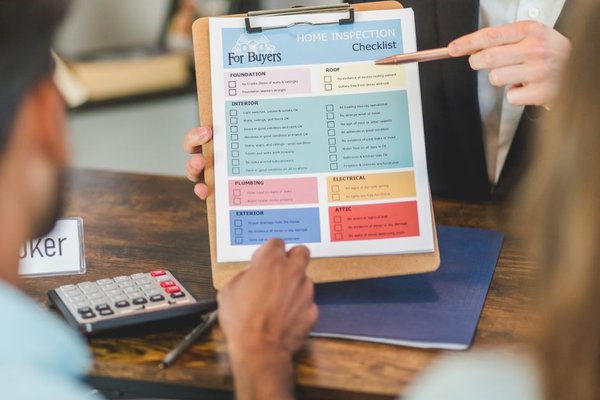
An estate planning checklist should do more than remind you to sign a will. A complete plan should explain who receives your property, who can act for you if you cannot manage your finances, who can make health-care decisions, and where trusted people can find the documents they need. The strongest plans also coordinate legal documents with beneficiary forms and account ownership so one part does not conflict with another.
Estate laws and signing requirements vary by state, so this is a practical starting point rather than a substitute for advice from a licensed attorney. Use it to organize information, identify gaps, and prepare questions.
Make an Inventory of Assets and Debts
List real estate, bank and brokerage accounts, retirement plans, life insurance, business interests, vehicles, valuable property, debts, and important digital assets. For each major asset, note how it is titled and whether it has a named beneficiary.
This is one of the most useful estate planning basics because not every asset necessarily passes under a will. Some property may transfer through beneficiary designations, joint ownership, a trust, or another arrangement. Looking at everything together makes it easier to spot inconsistencies.
Review Your Will
Your will can direct property handled through your estate, name an executor or personal representative, and nominate a guardian for minor children where state law permits. Review the people you named, specific gifts, backup beneficiaries, and the instructions for the remainder of your estate.
Review your will after marriage, divorce, the birth or adoption of a child, the death of a beneficiary, a move to another state, or a major financial change. A separate guide explaining how wills work would be a natural internal resource for readers who want more detail.
Decide Whether a Trust Fits Your Goals
Wills and trusts perform different jobs, and not every estate needs a trust. A revocable living trust may help with ongoing asset management, incapacity planning, or keeping properly funded assets outside probate, depending on state law and the property involved.
If you already have a trust, check whether it still matches your wishes and whether appropriate assets have actually been transferred or otherwise coordinated with it. Creating a trust document without addressing the assets it is meant to govern can leave an important gap in the plan.
Put a Financial Power of Attorney in Place
A financial power of attorney allows another person, often called an agent, to act on your behalf within the authority granted by the document. For advance planning, a durable power of attorney is commonly used because it can remain effective if you become incapacitated, subject to the document and applicable state law.
Choose this person carefully. An agent may be able to handle banking, bills, property, investments, taxes, and other financial matters. Consider naming a backup. Because the role can involve broad authority, trustworthiness and appropriate safeguards matter.
Prepare Health-Care Directives
An estate plan should cover incapacity as well as death. Advance directives can state your medical preferences and identify someone to make health-care decisions if you cannot communicate for yourself. Common documents include a living will and a durable power of attorney for health care, although names and formal requirements differ by state.
Talk with the person you choose as your health-care proxy. Discuss your values, treatment preferences, and the circumstances in which you would want that person to speak for you. An internal article on advance directives and health-care proxies would fit naturally here.
Check Beneficiary Designations
Review beneficiaries on retirement accounts, life insurance policies, annuities, and other accounts that allow beneficiary designations. These forms deserve the same attention as your will because many assets are distributed according to their own beneficiary rules.
Consider a simple scenario: someone remarries and updates a will but forgets an old retirement-plan beneficiary form. The mismatch may produce a result that no longer reflects the person’s intentions. Retirement plans can also have special spousal protections or consent requirements, so changes should be made through the plan administrator and reviewed carefully.
Confirm the People Named in Key Roles
List every role in your estate plan and confirm that each person is still the right choice. Depending on your documents, this may include an executor, trustee, financial agent, health-care proxy, guardian nominee, and alternates.
Do not choose someone only because they are the oldest child or closest relative. Consider reliability, judgment, location, willingness to serve, family dynamics, and ability to follow instructions. A sound plan can still be difficult to administer if the people named are unavailable or poorly suited to their roles.
Organize Documents and Access Information
Keep original legal documents in a secure place and tell your executor, agent, trustee, or another trusted person where they are stored. Maintain a list of important accounts, advisers, insurance policies, obligations, and digital assets.
Avoid leaving passwords exposed in a general estate folder. Use a secure method for storing access information and make sure your plan addresses lawful access to digital accounts. Organizing estate planning documents is another useful internal topic for readers completing this checklist.
Review the Plan as Life Changes
An estate plan is not a one-time project. Review it after marriage, divorce, a birth or adoption, a death in the family, a major asset change, the purchase or sale of a business, a move to another state, or a significant health change. A periodic review is also sensible.
During each review, compare your will, trusts, powers of attorney, health-care directives, beneficiary forms, and asset ownership side by side. This coordination check is often more useful than simply confirming that each document still exists.
Frequently Asked Questions
What should be included in an estate planning checklist?
A practical estate plan checklist should cover an asset and debt inventory, a will, any trusts, financial power of attorney, health-care directives, beneficiary designations, key decision-makers, document storage, digital assets, and a schedule for future reviews.
Do I need both a will and a trust?
Not necessarily. Many people use a will without a trust, while others add a trust for specific goals such as asset management, incapacity planning, or probate-related planning. The right structure depends on your assets, family circumstances, goals, and state law.
How often should I review my estate plan?
Review it after major life or financial changes and periodically even when circumstances seem stable. Beneficiary forms and powers of attorney deserve particular attention because outdated names or roles can create practical problems.
Can I create an estate plan without a lawyer?
Some documents may be available through self-help resources, but execution rules, probate laws, trust requirements, marital rights, taxes, and powers of attorney vary by state. Legal advice can be especially valuable for blended families, business owners, complex estates, special-needs planning, or competing interests.
Bring the Pieces Together
A complete estate planning checklist is less about collecting paperwork and more about making sure every part works together. Start with what you own, confirm who should receive it, appoint people you trust for financial and medical decisions, and make sure beneficiary forms and ownership arrangements support the same intentions. Keep the documents accessible and review them as life changes. That turns a stack of forms into a plan that is easier to understand and carry out.