

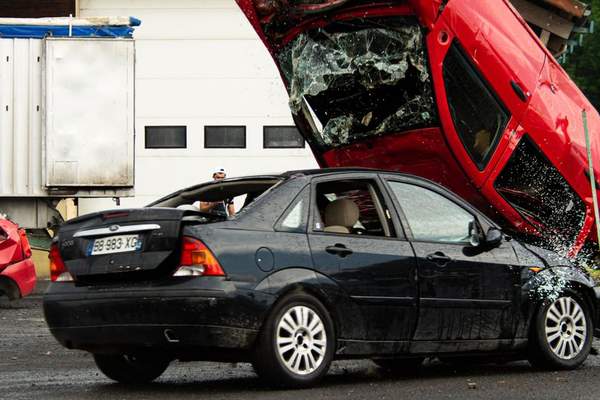
A car accident can leave you shaken, confused, and unsure what to do next. Even a minor collision can create safety concerns, delayed injuries, insurance questions, and legal reporting duties. The best response is to slow down and work through a clear sequence. This guide explains what to do after a car accident, from protecting people at the scene to preserving information for an insurance claim.
1. Stop and Check for Immediate Danger
Stop as close to the scene as safely possible. Leaving after a collision may be illegal, particularly when someone is injured or property has been damaged. Turn on your hazard lights and check yourself and your passengers for injuries.
Call emergency services if anyone is unconscious, trapped, bleeding heavily, struggling to breathe, or showing confusion. Do not move an injured person unless fire, moving traffic, downed wires, or another serious danger makes it necessary. Follow the emergency operator’s instructions.
2. Move to a Safer Position When Appropriate
If nobody appears injured and the vehicles can be driven, local law may require or allow you to move them out of active traffic. Pull onto a shoulder, side street, or other safe area. If the vehicles cannot be moved, stay away from traffic and wait for responders.
Safety comes before photographs or paperwork. Do not stand in a traffic lane to inspect damage or take pictures. The first accident scene steps should always reduce the risk of a second crash.
3. Decide Whether to Call the Police
Call the police when someone is injured, a driver leaves, a vehicle cannot be moved, traffic is blocked, public property is damaged, or you suspect impairment. You should also call if another driver refuses to exchange information or cannot provide insurance details.
Reporting rules vary by location and may depend on injuries or estimated damage. When uncertain, contact local law enforcement. If officers respond, ask how to obtain the report number and a copy. A police report accident record may document the location, vehicles, statements, injuries, citations, and officer observations, although it does not automatically settle fault or insurance liability.
4. Exchange the Necessary Information
Collect every involved driver’s full name, contact details, driving licence information, insurer, policy number, registration or licence plate number, and vehicle make and model. If the driver does not own the vehicle, record the owner’s details too.
Provide the information required by local law, but avoid arguing about responsibility or guessing what caused the crash. Stick to observable facts. A stressful roadside conversation is not the place to reach a final conclusion about fault.
5. Document the Scene Thoroughly
Good evidence after a crash can make it easier to explain what happened later. Take wide photographs of the scene and closer images of vehicle damage. Capture road markings, signals, signs, debris, weather, visible injuries, and vehicle positions before they are moved, but only when safe.
Photograph driving licences, insurance cards, and registration documents with permission, or carefully record the details. Note the exact location, time, direction of travel, and anything unusual, such as a broken signal or construction obstruction.
Speak to Witnesses
If independent witnesses saw the collision, ask for their names and contact details. Do not pressure them to support your version. A simple record of what they observed may be useful if the drivers later disagree.
6. Seek Medical Attention and Monitor Symptoms
Some injuries are immediate, while others become noticeable later. Adrenaline can mask pain, and concussion symptoms may take hours or days to appear. Consider a medical assessment if you struck your head, lost consciousness, feel dizzy or confused, have worsening pain, or do not feel right.
Seek emergency care for repeated vomiting, increasing drowsiness, seizures, slurred speech, weakness, numbness, worsening headache, unusual behaviour, or poor coordination. Keep records of appointments, diagnoses, prescriptions, treatment plans, and expenses. They support your care and may be relevant to a claim.
7. Notify Your Insurance Company Promptly
Contact your insurer as soon as reasonably possible, even when the damage seems minor or you believe another driver caused the collision. Policies often contain notice and cooperation requirements. Give a factual summary and provide photographs or the report number when requested.
Ask what your policy covers, whether you need an approved repair estimate, how towing and storage will be handled, and whether rental transportation is included. Keep the claim number and representative’s details. Before major repairs or disposal of damaged property, confirm whether an inspection is required.
8. Organise Your Records
Create one folder for photographs, videos, witness information, medical records, receipts, estimates, towing invoices, rental bills, correspondence, and notes from calls. Record the date, time, person, and key points after each conversation.
A well-organised car accident checklist helps prevent missed deadlines and inconsistent details. It also makes responding to an insurer, police department, repair shop, healthcare provider, or legal adviser much easier.
9. Check Local Reporting Rules and Deadlines
A police call may not complete every reporting duty. Some jurisdictions require a separate collision report to a motor vehicle agency when injuries occur or damage exceeds a threshold. Insurance and injury-claim deadlines also vary.
Review the rules where the crash occurred and your policy terms. For a serious injury, disputed liability, uninsured driver, commercial vehicle, or complex claim, consider speaking with a qualified local lawyer before signing a broad release or accepting a final settlement.
Frequently Asked Questions
What should I do immediately after a minor car accident?
Stop, check for injuries, switch on your hazard lights, and move to a safe location when lawful and safe. Exchange information, photograph the scene, speak to witnesses, and notify your insurer promptly.
Should I call the police if nobody is injured?
It depends on local law and the circumstances. Call if vehicles cannot be moved, traffic is obstructed, another driver leaves or refuses information, impairment is suspected, or damage may meet a reporting threshold.
What evidence should I collect after a crash?
Collect scene and damage photographs, driver and insurance details, witness contacts, the police report number, medical records, repair estimates, receipts, and a written timeline.
Can injuries appear after the accident?
Yes. Pain, stiffness, dizziness, headache, and concussion-related symptoms may not be obvious immediately. Monitor your condition and seek medical advice if symptoms emerge, persist, or worsen.
Conclusion
Knowing what to do after a car accident can protect your safety, health, and ability to present an accurate claim. Prioritise injuries, move away from danger, involve the authorities when required, document the scene, exchange complete information, and notify your insurer. Keep careful records and check the rules that apply where the crash occurred. A calm, methodical response cannot undo the collision, but it can make the aftermath far more manageable.